Source cooling adjustable pregnancy pillow for Hotel, Bedding, Neck
Explore 30 listings of cooling adjustable pregnancy pillow options with features like anti-static, inflatable, and memory foam filling. Buyers can compare shapes, sizes, and customization services from suppliers in Zhejiang and Guangdong.
Key considerations
Products List


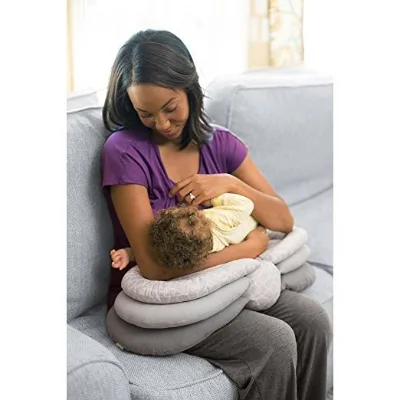


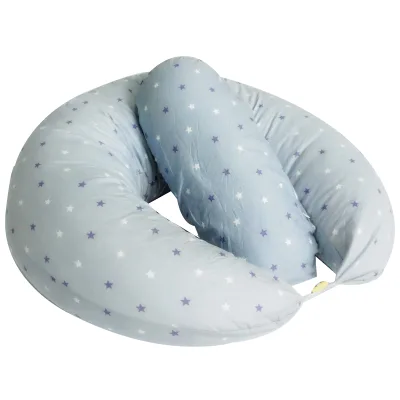


Comprehensive Sourcing Guide
Strategic Sourcing Guide for Cooling Adjustable Pregnancy Pillows
The global demand for specialized maternity sleep aids has driven a significant expansion in the B2B market for cooling adjustable pregnancy pillows. For procurement professionals, navigating this sector requires a rigorous understanding of product specifications, material composition, and manufacturing capabilities. The core keyword "cooling adjustable pregnancy pillow" represents a high-value category where functionality directly impacts user comfort and safety. This guide synthesizes observed market data and technical attributes to provide a structured approach for sourcing these products effectively. Buyers must distinguish between generic inventory and products specifically engineered for thermal regulation and anatomical support during pregnancy.
Technical Specifications and Material Composition
When evaluating potential suppliers, the first step is a granular analysis of the product's technical specifications. The market offers a diverse range of configurations, but successful procurement hinges on matching these specs to the specific needs of the target demographic. A critical observation in the current supply landscape is the variation in filling materials. While some listings indicate the use of 100% Polyester or Microfiber, others specify Memory Foam or Hollow Fiber. Each material offers distinct benefits regarding density, breathability, and recovery time. For a "cooling" claim to be credible, the filling must facilitate airflow or possess inherent thermal properties.
The shape of the pillow is equally critical. The data reveals a prevalence of U-Shape designs, which are industry-standard for full-body support, yet Square and other custom dimensions also exist. The standard dimensions observed in the market vary significantly, ranging from compact sizes like 27x17 inches to large, full-body configurations such as 59x29.5 inches or 57''l X 30''w X 7'' H. Buyers must verify that the supplier can consistently meet these dimensional tolerances, as deviations can compromise the ergonomic fit required for pregnant users.
Furthermore, the construction technique plays a vital role in durability and comfort. Handmade techniques are noted in specific listings, suggesting a higher level of craftsmanship and customization potential. In contrast, knitted techniques may offer different texture and stretch properties. The outer material also varies, with options ranging from 100% Cotton to Cotton/Polyester blends. The choice of fabric directly influences the "cooling" attribute, as natural fibers like cotton often provide better breathability than synthetic blends, though high-quality polyester can be engineered for moisture-wicking.
| Attribute Category | Observed Variations in Supply | Procurement Verification Point |
|---|---|---|
| Filling Material | 100% Polyester, Memory Foam, Hollow Fiber, Microfiber | Confirm thermal conductivity and density for cooling claims. |
| Shape | U-Shape, Square, Custom | Verify ergonomic alignment with the specific body shape. |
| Dimensions | 27x17 inch to 59x29.5 inch | Ensure the size matches the intended use case (nursing vs. sleeping). |
| Outer Material | 100% Cotton, Cotton/Polyester, 100% Polyester | Check for breathability ratings and fabric weight. |
| Special Features | Adjustable, Cooling, Foldable, Removable Cover | Validate the mechanism of adjustment and cooling technology. |
Compliance and Certification Verification
In the realm of maternity products, compliance and safety are non-negotiable. While specific certification statuses such as OEKO-TEX are mentioned in background contexts, buyers must not assume a product is certified without direct verification from the supplier. The procurement process must include a strict request for current test reports and compliance documentation. For products claiming to be "Anti-Static" or "Cooling," the underlying technology must be substantiated by third-party testing data.
Buyers should prioritize suppliers who can demonstrate adherence to international safety standards for textiles and baby products. This includes verifying that the materials used are free from harmful substances like formaldehyde, heavy metals, or azo dyes. The "Product Care Instructions" listed as "Machine Wash" imply a need for durability testing to ensure the pillow retains its shape and cooling properties after repeated laundering. Suppliers must provide evidence that the product can withstand these care cycles without degrading the filling or the fabric's thermal properties.
Additionally, the "Customization" attribute suggests that many suppliers offer OEM/ODM services. When customizing a product, the compliance burden shifts to the final product configuration. Buyers must ensure that any custom colors, fabrics, or fillings selected still meet the necessary safety standards. The presence of "Test Sample Is Available" is a positive indicator, allowing buyers to physically verify compliance claims before committing to a bulk order.
Cost Drivers and Pricing Dynamics
Understanding the cost structure of cooling adjustable pregnancy pillows is essential for budgeting and margin analysis. The observed price range in the market spans from $6 to $43 USD, a wide variance that reflects differences in material quality, manufacturing complexity, and brand positioning. Several factors drive these costs. The use of Memory Foam or high-density Hollow Fiber typically increases the unit cost compared to standard Polyester filling. Similarly, the inclusion of advanced cooling technologies or premium fabric blends like 100% Cotton will push the price toward the higher end of the spectrum.
The Minimum Order Quantity (MOQ) is another significant cost driver. The observed MOQ range of 50 to 500 units indicates that suppliers cater to both small boutique buyers and large retailers. Higher MOQs often correlate with lower per-unit costs due to economies of scale in material procurement and production line efficiency. However, buyers must balance this with their inventory risk. The "Sample Time" of 3 days suggests a relatively agile supply chain, which can be beneficial for testing new designs without long lead times.
Packaging also influences the final cost. Listings mention "Export Carton Box" and "Polybag Packing or Customized Packing." Customized packaging, which may include branding or specific retail-ready designs, adds to the unit cost. Buyers should evaluate whether the value of premium packaging justifies the additional expense based on their target market's expectations. The "One PCS Into a Vacuum Poly Bag Then Into Carton" method is a common practice to reduce shipping volume, but it adds a step to the manufacturing process that must be factored into the timeline and cost.
Typical Applications and Usage Scenarios
The versatility of cooling adjustable pregnancy pillows allows them to serve multiple applications beyond simple sleep support. The observed usage categories include "Decorative," "Hotel," "Bedding," "Neck," "Nursing," and "Sleeping." This diversity requires buyers to segment their marketing and product selection carefully. For the hospitality industry, the focus might be on the "Decorative" and "Hotel" aspects, where aesthetics and durability are paramount. In contrast, for direct-to-consumer sales, the "Nursing" and "Sleeping" functionalities take precedence.
The "Recommended Uses for Product" are explicitly listed as "Maternity," confirming the primary target audience. However, the "Use for: Whole Body" attribute suggests that these pillows are designed to provide comprehensive support, alleviating pressure on the back, hips, and legs. The "Adjustable" feature is particularly valuable here, as it allows the pillow to be molded to the changing body shape of the user throughout different stages of pregnancy. The "Cooling" feature addresses a common physiological challenge during pregnancy: elevated body temperature.
For suppliers offering "Customized Colors as Your Request," the potential for branding and thematic marketing is significant. Buyers can leverage this to create product lines tailored to specific seasons or cultural preferences. The "Foldable" and "Removable" features also enhance the product's utility, making it easier to store and clean, which is a key selling point for busy parents. Understanding these application nuances helps in selecting the right supplier who can deliver a product that aligns with the specific use case of the buyer's customer base.
Supplier Evaluation and Manufacturing Capabilities
Selecting the right supplier requires a deep dive into their manufacturing capabilities and geographic location. The data indicates origins in "Zhejiang Province" and "Dongguan, Guangdong, China," both of which are major hubs for textile and home product manufacturing. These regions offer access to a robust supply chain for materials like polyester and cotton, as well as established logistics networks. However, buyers should verify the specific factory's capacity to handle the required volume and customization.
The "OEM/ODM: Yes" attribute confirms that many suppliers are equipped to handle private label orders. This is crucial for buyers looking to build their own brand. The evaluation process should include a review of the supplier's history with customization, including their ability to manage "Customized Colors" and specific dimensions. The "Handmade" technique mentioned in some listings suggests a focus on quality over mass production speed, which may be preferable for premium product lines.
Buyers should also assess the supplier's sample process. The availability of a "Test Sample" with a "3 Days" turnaround time is a strong indicator of operational efficiency. This allows for rapid prototyping and quality verification. During the evaluation, buyers should request samples of different filling types and fabric combinations to assess the actual "Cooling" and "Adjustable" performance. The "Special Feature" list, which includes "Premium" and "Durable," should be validated through physical inspection of the sample to ensure the claims are not merely marketing fluff.
Quality Control and Long-Term Procurement Considerations
Ensuring consistent quality is paramount in the long-term success of a procurement strategy. The "Product Care Instructions" of "Machine Wash" necessitate rigorous quality control testing for colorfastness, shrinkage, and structural integrity. Buyers must implement a quality assurance protocol that includes testing the pillow after multiple wash cycles to ensure the filling does not clump and the cover does not lose its cooling properties. The "Anti-Static" feature also requires verification, as static buildup can be uncomfortable and potentially hazardous in certain environments.
Long-term procurement considerations involve building a sustainable relationship with the supplier. The "Customization" and "OEM/ODM" capabilities suggest that the supplier should be a strategic partner rather than just a vendor. Buyers should establish clear communication channels for ongoing product development and quality feedback. The "Export Carton Box" and "Polybag Packing" standards indicate that the supplier is familiar with international shipping requirements, but buyers should confirm that packaging is robust enough to prevent damage during transit.
Finally, buyers should remain vigilant regarding the "Standard" dimensions and specifications. While the market offers a range of sizes, consistency is key to maintaining brand reputation. Any deviation from the agreed-upon standards, such as the 55x40x8 inch or 53x31x7 inch specifications, must be addressed immediately. By maintaining strict quality control and fostering a collaborative relationship with the supplier, buyers can ensure a steady supply of high-quality cooling adjustable pregnancy pillows that meet the evolving needs of the maternity market.
FAQs
What filling materials are available for cooling adjustable pregnancy pillows?
Available fillings include 100% Polyester, Memory Foam, Hollow Fiber, and Microfiber. Buyers must verify thermal conductivity and density for cooling claims as material choice directly impacts breathability and support.
Can I customize the color and dimensions of these pillows?
Yes, customization is available with options for customized colors and specific dimensions like 55x40x8 inches. Suppliers typically offer OEM services, but buyers must ensure custom configurations still meet safety standards.
What is the sample time and availability for testing these products?
A test sample is available with a sample time of 3 days. This allows buyers to physically verify cooling performance and adjustability before committing to bulk orders.
Which shapes and sizes are commonly offered for full-body support?
Common shapes include U-Shape and Square with sizes ranging from 27x17 inches to 59x29.5 inches. Buyers should verify that dimensions match the intended use case for ergonomic alignment.
How do I verify the cooling and anti-static features of the pillow?
Buyers must request third-party testing data to substantiate cooling and anti-static claims. Product care instructions indicate machine washability, requiring durability testing to ensure features persist after laundering.
What are the typical MOQ and price ranges for these pillows?
The observed MOQ ranges from 50 to 500 units with prices between 6 and 43 USD. Higher MOQs often correlate with lower per-unit costs due to economies of scale in production.
Where are the primary manufacturing locations for these maternity products?
Primary origins include Zhejiang Province and Dongguan, Guangdong, China. These regions offer robust supply chains for materials like polyester and cotton with established logistics networks.